
How to Hire a Proofreader for Your Book: Cost, Checklist & Red Flags
- Shruti Bhatt
- Jan 7
- 5 min read

“Three proofreaders promised they would do a great job. One even claimed to have worked with a best-selling author before. So, who do I choose?
Sounds like you?
Finding the right proofreader for your book on a tight budget isn’t easy.
The market is full of both skilled and subpar proofreaders.
One wrong choice can cost you time, money, and bad reviews.
That’s why I wrote this blog to help you pick the right proofreader without making any costly mistakes.
So, let’s get started.
Set a Smart Budget Before You Start Looking for a Proofreader
Your budget plays a big role in deciding the kind of proofreader you hire.
In most cases, the proofreaders charge based on three things:
Complexity of your book’s topic
Total word count
Proofreader’s experience
Now, if your book is on quantum physics or a similar topic, it may cost more since it needs subject expertise.
And yes, even editors are likely to charge more for such topics.
We proofreaders generally quote on a project basis.
So, let’s say your book has a 70,000-word manuscript, that’s roughly $700–$2,800.
It’s expensive, but this investment can make your book shine.
Here's a quick budgeting tip:
Split your book budget into 20-20-60:
● 20% on editing
● 20% on proofreading
● 60% on design, printing (if doing), and marketing

Define Your Proofreading Needs
List down your exact proofreading requirements. This will help during the intro call with any proofreader.
Here’s what to note down:
Genre and sub-genre: Is it non-fiction? Is it business, academic, or something else?
Target readers: Are you writing for teens, young entrepreneurs, or history buffs?
Total word count: Is it a 20,000-word novel or an 80,000-word business book?
Editing status: Is it edited, or do you need someone offering proof-editing?
Maximum budget: Set the upper limit to shortlist fast.
Timeline: Set a tight deadline to find someone soon.
Type of Proofreading: A final polish? Line proofreading?
Style guide: APA, Chicago, or custom?
Once you have a list, choosing a proofreader becomes easier and saves time.
Choose Between an Agency and a Freelancer Based on Your Book’s Complexity
If your book is on a common topic like cooking or yoga, an agency-based proofreader is a perfect fit.
Since these kinds of topics are straightforward, most trained proofreaders can handle them.
But if your book is on a tough topic like quantum physics, choose a proofreader who knows the subject inside out.
Some agencies do offer niche experts, but since they are an agency, the charges may be higher.
So, here’s my suggestion:
● Match your proofreader’s expertise with your book’s complexity.
● If it is technical, find a freelancer with experience in that particular topic.
● If it’s a general topic, go for agency-based proofreaders for a quicker and better job.
Here’s a comparison table to make your choice easier:
Criteria | Agency-Based Proofreaders | Freelance Proofreaders |
Cost (per word) | $0.02 – $0.04 | ₹0.015 – ₹0.05 (Depends on topic complexity) |
Turnaround Time | Usually faster due to team capacity | May vary; depends on individual workload |
Expertise | May have specialists for different genres | Varies; some are niche experts |
Quality Assurance | Multi-layered checks | Usually, a single layer of proofreading |
Communication | More formal, handled by project managers | Direct, more flexible, and collaborative |
Customization | Limited flexibility in approach | Can tailor services to your writing style |
Do a Background Check: Experience and Education (Only Possible With Freelancers)
In the first call, ask about their work and education.
They may share their resume, portfolio, or website link.
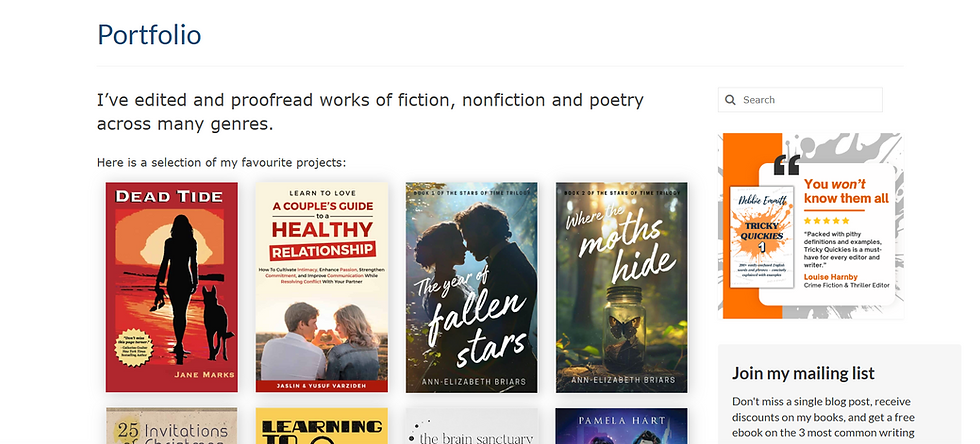
Let’s start with work experience
Have they worked with any known publishers? That’s a good sign. It shows they are aware of publishing standards.

Have they worked with clients who have published similar books? Even better.
Ask for a sample work or connect with a past client for feedback (only if they have given permission).
Now let’s focus on educational qualifications.
Most proofreaders are English, Literature, Language, or Publishing graduates.
For example, Hazel Bird, a UK-based freelance proofreader, has an English Literature degree.

But having only these degrees is not a hard rule. Especially in India, you will find people excelling in fields they never studied.
So, focus on subject fit!
For example, for a robotics book, a tech-smart proofreader is better than a general one.

These memberships show they are well-trained and follow strict professional standards.
In short:
Look for experience in your genre
Focus on subject matter knowledge over academic degrees
And, if they are part of any editor’s association.
Note: If you're working with an agency or publisher, they'll choose the proofreader, so you won’t have much say in it.
Value Additions to Look for (That Don’t Cost Extra)
Once you shortlist a proofreader, ask if they offer a sample work.

Samples help you see how they follow style, format, communicate, and give feedback.
Do they fix only the punctuation or improve your flow?
Do they preserve your tone while suggesting edits?
Do they use comments to explain edits or make changes directly?
Some proofreaders go the extra mile by improving sentence flow and fixing inconsistencies.
These small things show if they get your style and understand work ethics.
Free Download: Sample Task Evaluator to assess proofreading sample works.
Red Flags to Watch Out For
Before you say yes to a proofreader, check for these signs.
Over-promising at Very Low Rates
Once you upload a hiring LinkedIn post, you’ll get many messages with tempting, low-cost offers.

But it is a red flag!
If someone is quoting way below the average market rate, chances are they are after your money.
If they’re from another country, check what quality proofreading costs there.
No or Fake Sample Work/Testimonial
Experienced proofreaders can show past work, published links, or real reviews.

But it’s easy to fake these days, so ask for links to the actual book or check if the past client/author is reachable.
No Contract or Scope of Work Shared
If they don’t give a contract or a breakdown of work, stop there. It’s a sign, they may not be serious or professional.

Quick Recap of What To Confirm
Experience in your genre
Budget and rates
Timeline
Communication style
Sample availability
Contract or Service Term
Ready to Hire Your Perfect Proofreader?
First, set your budget, decide on book type, word count, readers, and how ready your draft is.
Then pick someone who understands what your book needs.
A good proofreader won’t only fix your typos, but they will help you improve while preserving your voice.
Need help finding the right proofreader? Let's talk.


Comments